Special lightweight rescue diving station
Special lightweight rescue diving station
A specially equipped vehicle designed for the prompt delivery of diving and rescue teams, special equipment, gear and property to the place of diving operations, underwater reconnaissance and rescue of victims on the water, as well as routine preventive inspections of the bottom, bridges, hydraulic structures on rivers, lakes, inland water bodies and in the coastal zone of the seas.



Base chassis
Ford Ranger, Toyota Hilux, Mitsubishi L200

Purpose
Carrying out emergency rescue operations on the water

Price
By individual calculation
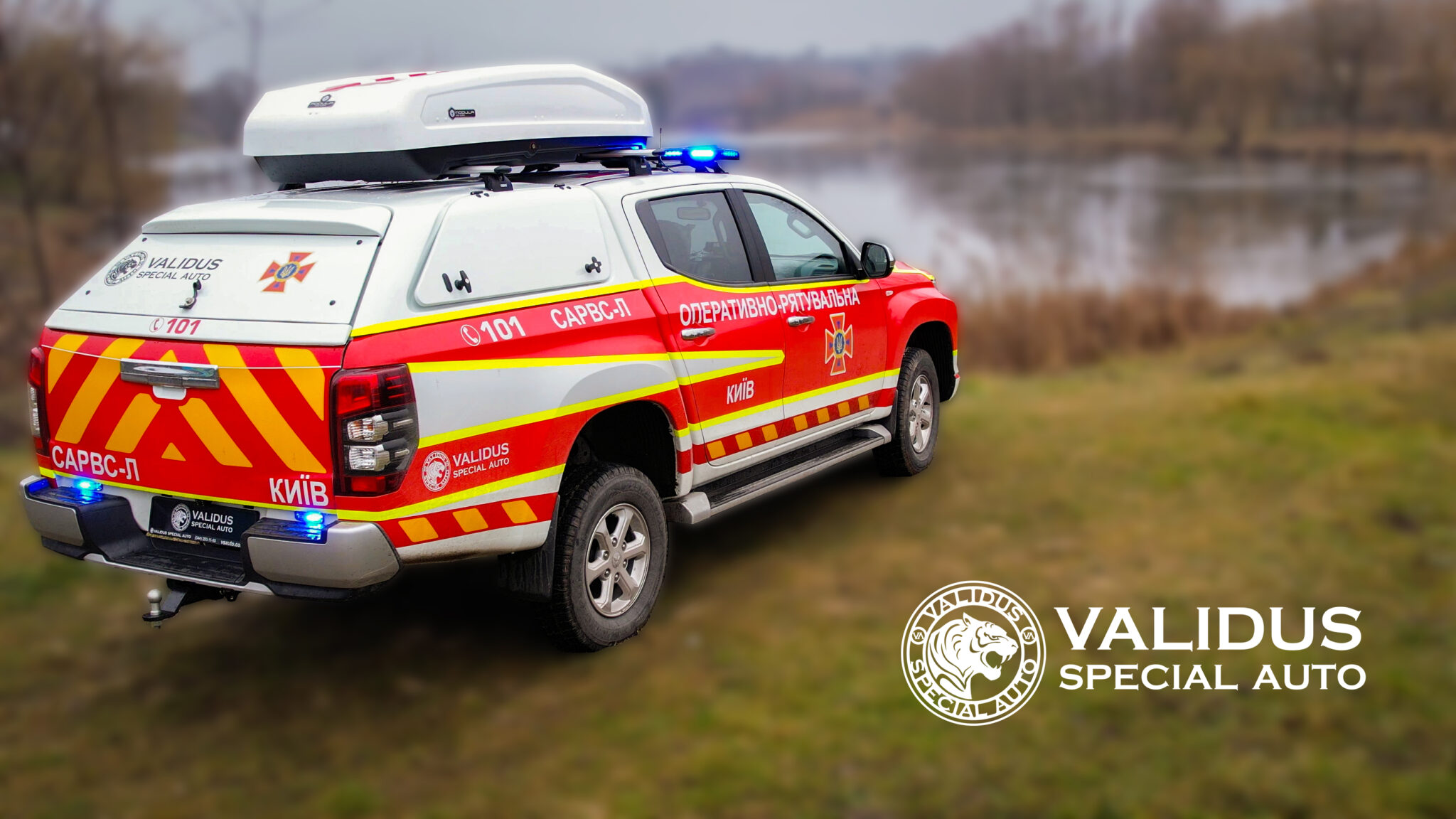
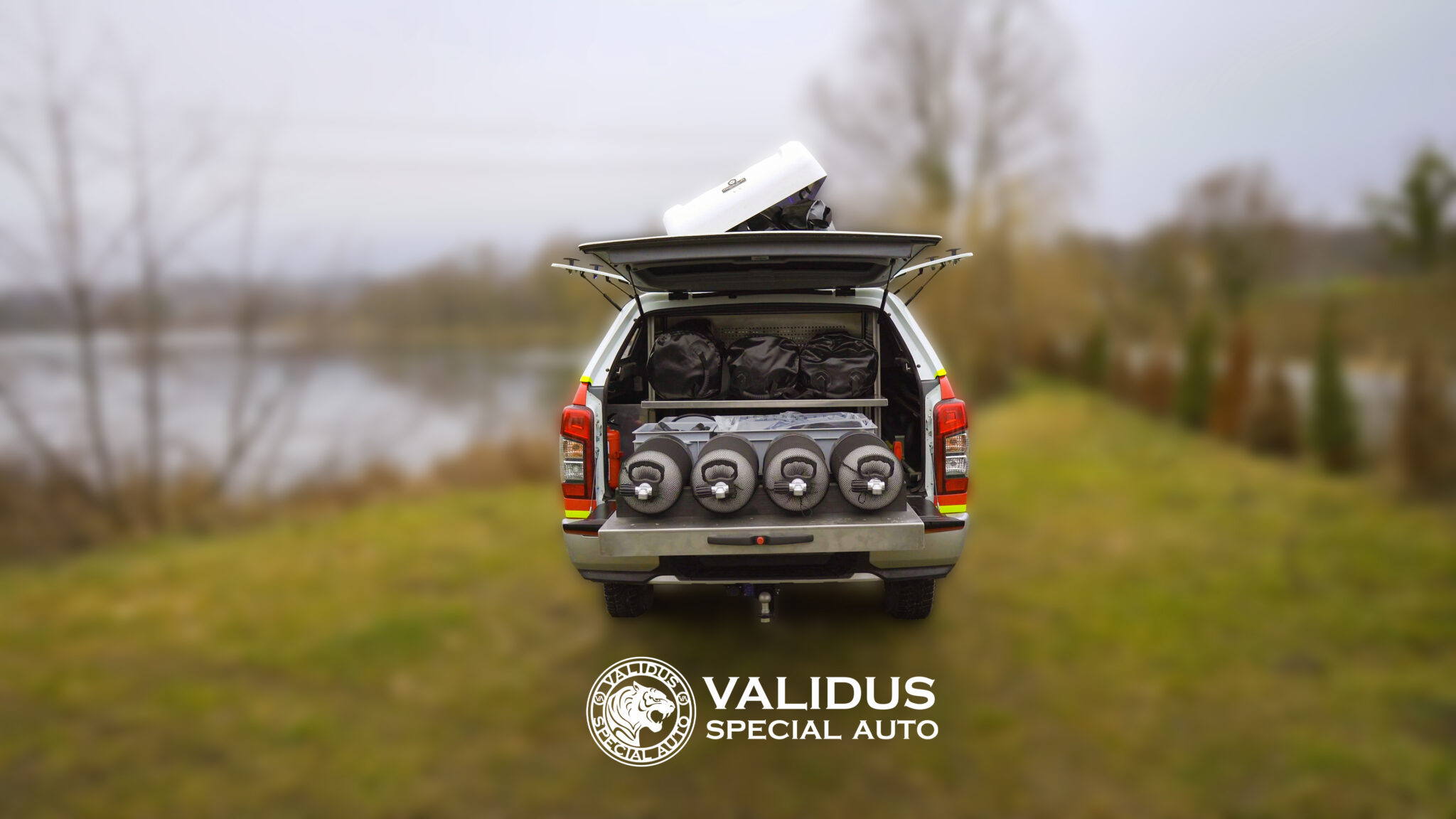
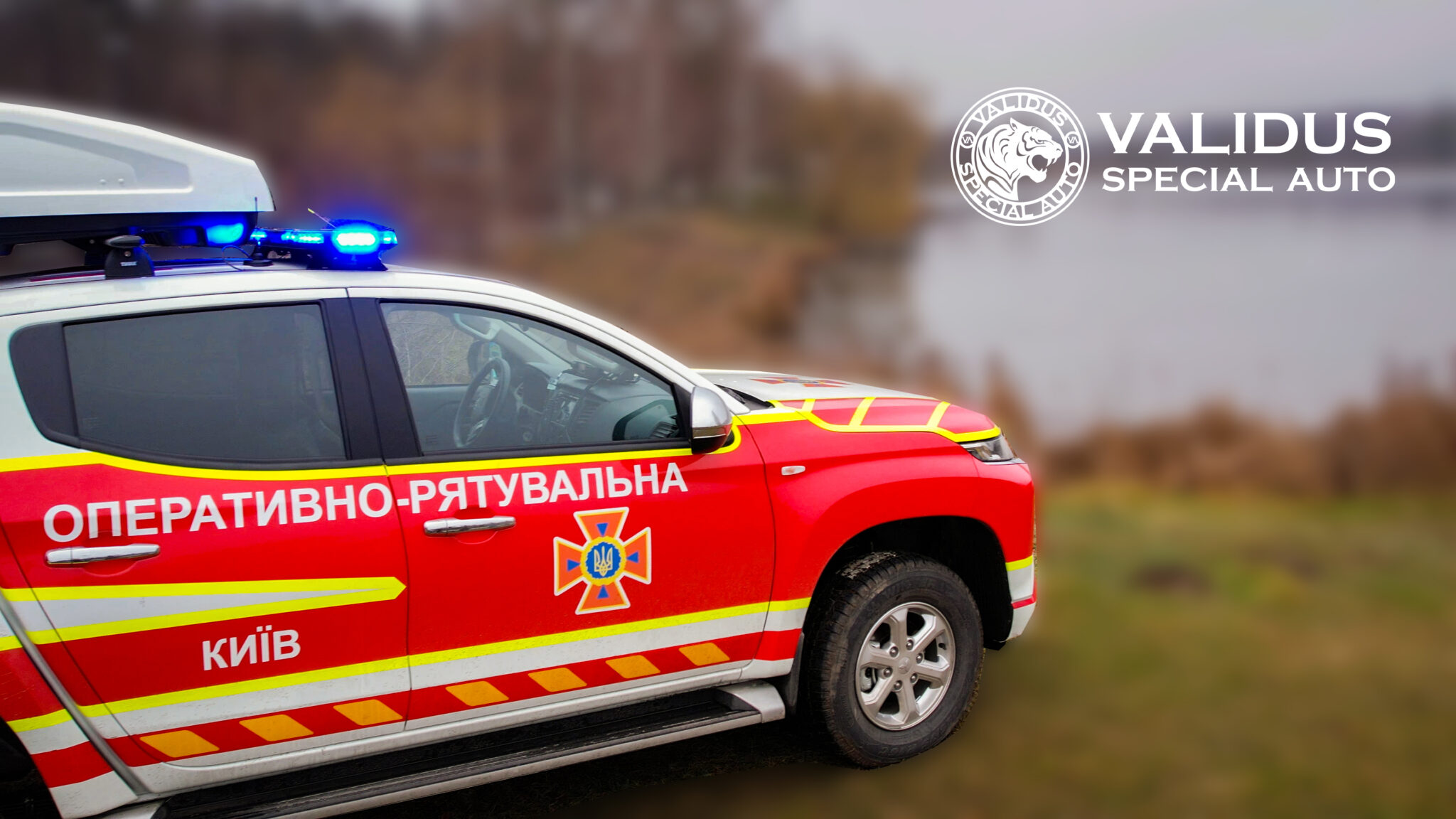
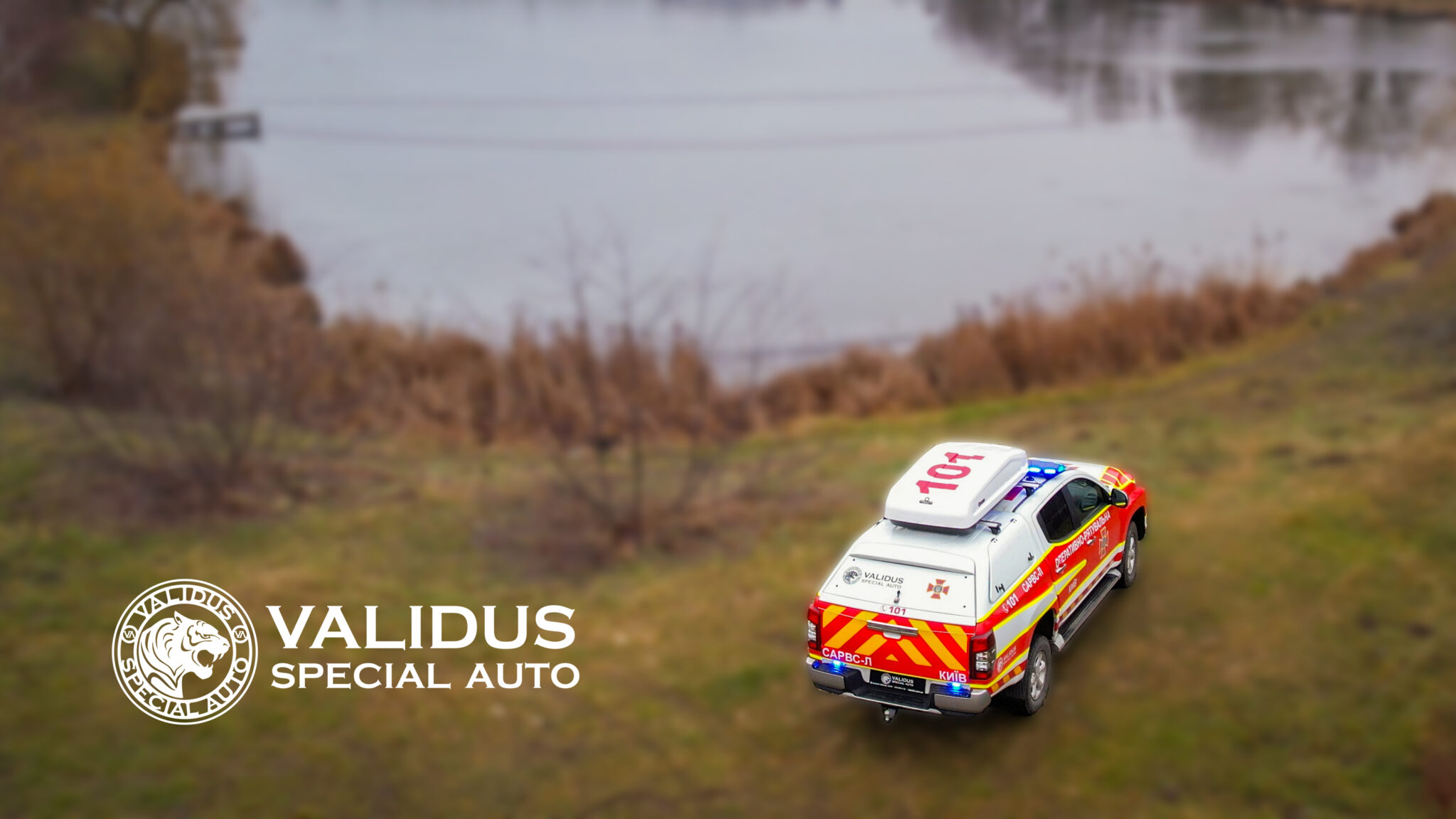
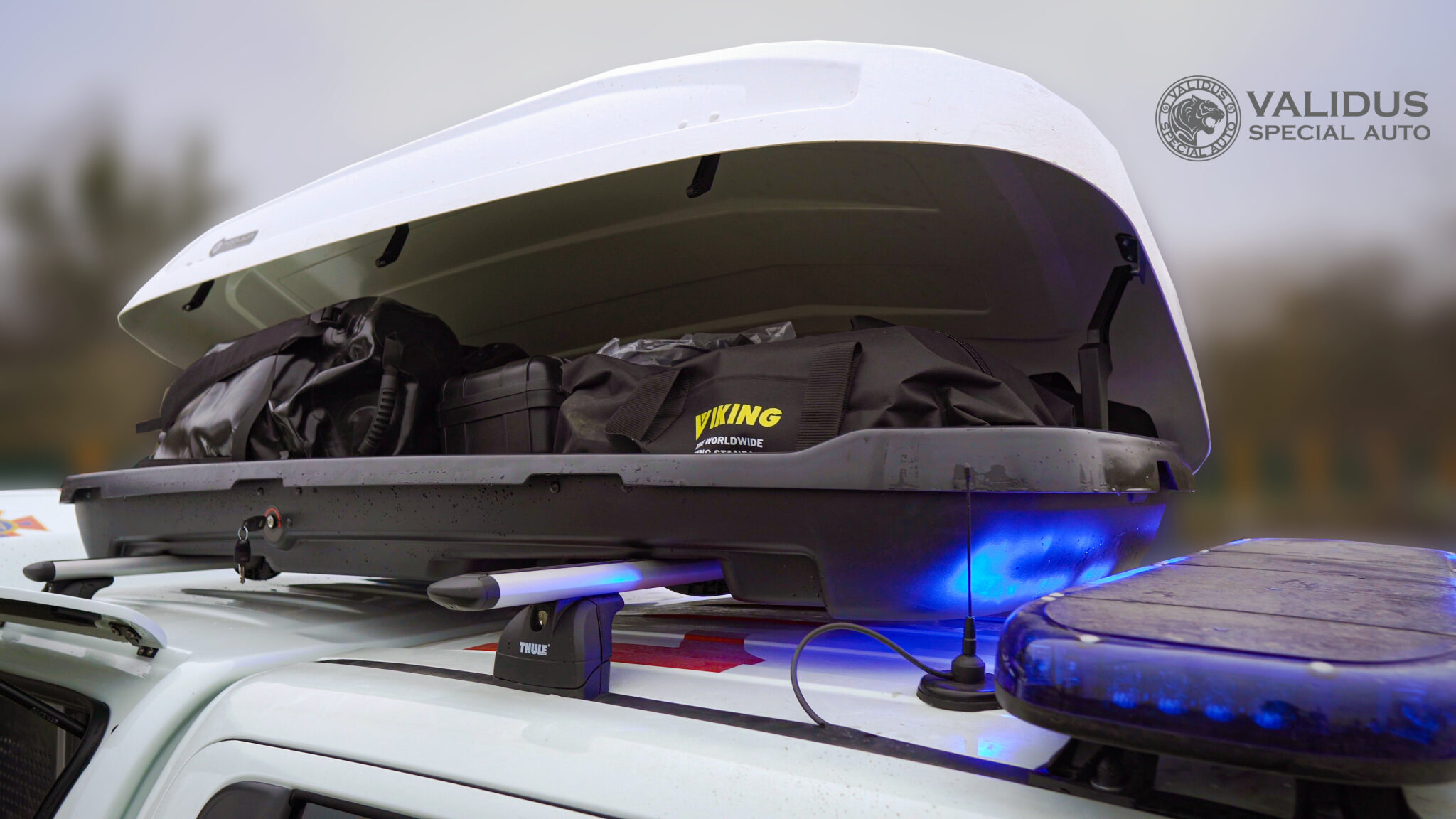
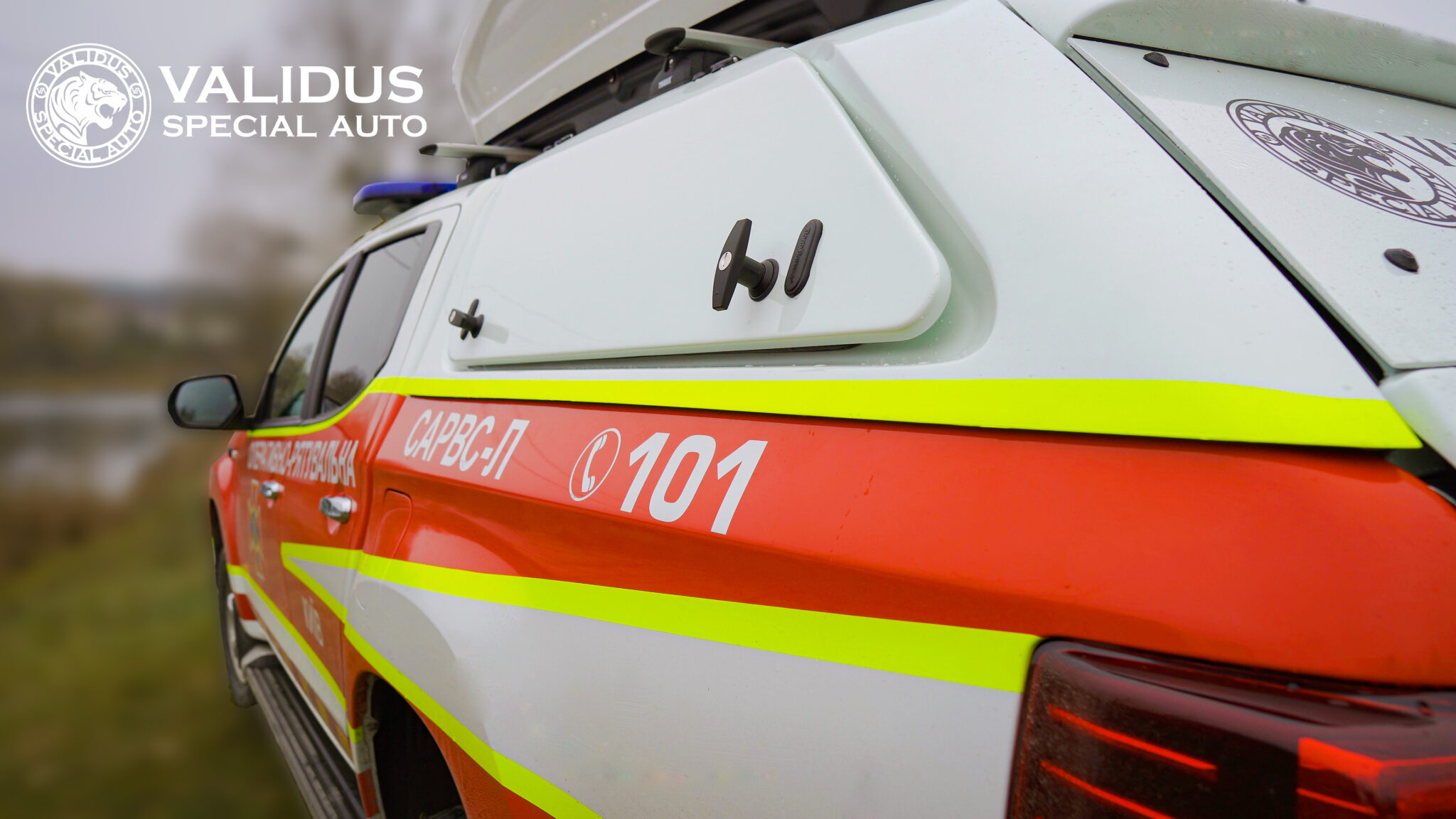
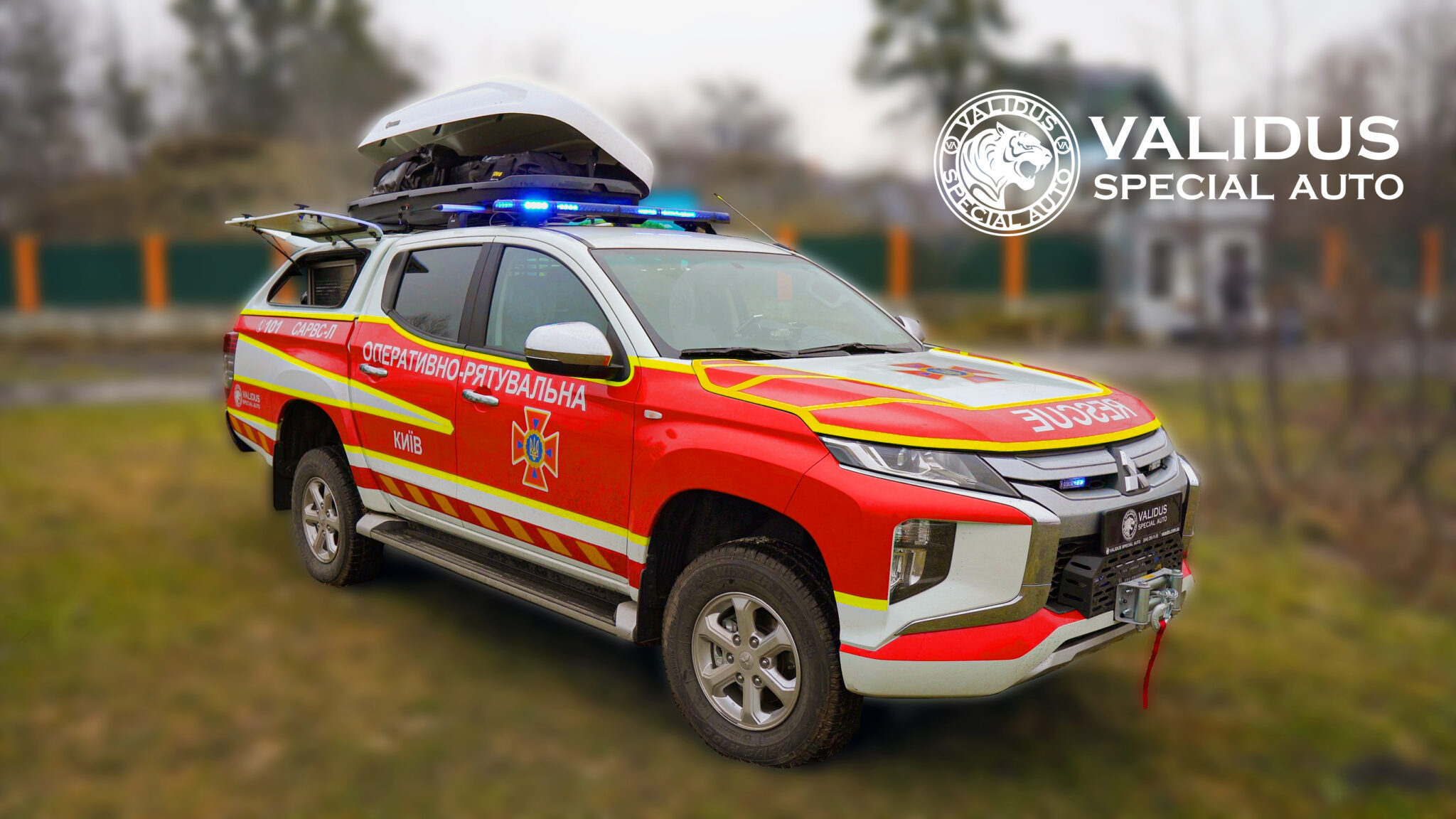
The special lightweight rescue diving station (SARVS -L) provides fast and mobile delivery of special equipment to the sites of rescue and search operations on water by all types of roads at maximum speed. SARVS-L is a special off-road vehicle based on the Mitsubishi L200, designed to quickly deliver divers, special equipment, gear and property to the site of diving operations, underwater reconnaissance and rescue of victims on the water, as well as routine inspections of the bottom, bridges, hydraulic structures on rivers, lakes, inland water bodies and in the coastal zone of the seas.
Functional capabilities of SARVS-L:
- Prompt and mobile delivery of diving crews, special equipment, property and gear to the sites of diving rescue operations via all categories of roads with maximum speed;
- Alerting the public to an emergency, transmitting special light and sound signals, voice commands and messages within a radius of up to 500 m;
- Organisation of radio communications in the USW (SW) band using a base radio station with a range of at least 20 km and portable radios with a range of at least 3 km;
- Providing first aid to victims using medical equipment;
- Conducting engineering surveys of water obstacles, hydraulic structures, and the bottom of rivers, lakes, inland water bodies, and in the coastal zone of the seas;
- Survey of water bodies using an echo sounder;
- Diving operations at depths of up to 30 m using clean air for breathing and up to 60 m using special mixtures;
- Conducting therapeutic recompression and decompression of divers;
- Providing telephone communication between the diver and the station;
- Deformation, displacement and destruction of structural elements;
- Ensuring that at least 2 divers work underwater at the same time;
- Search and transport of victims to the place of first aid;
- Fencing of dangerous areas and places for diving rescue operations;
- Illumination of dangerous areas and places of diving rescue operations.
Standard equipment of the car:
- Mobile diving camera;
- Portable compressor for filling cylinders;
- An inflatable boat with an engine for 6 people;
- Small-sized hydraulic tool for underwater work;
- Set for underwater cutting and welding;
- Underwater towing vehicle for a diver;
- Small-sized hydraulic rescue tool;
- Petrol tools (chainsaw, chainsaw) – 1 unit;
- A small-sized power plant with a lighting network;
- Set for underwater lighting;
- Telescopic lighting equipment;
- Set of chanter tools;
- Soft ship-lifting pontoons of various lifting capacities;
- Pontoon with anchors for divers’ descents;
- Underwater metal detector;
- GPS-navigator;
- Sounder;
- Underwater television complex;
- Digital camera for underwater photography;
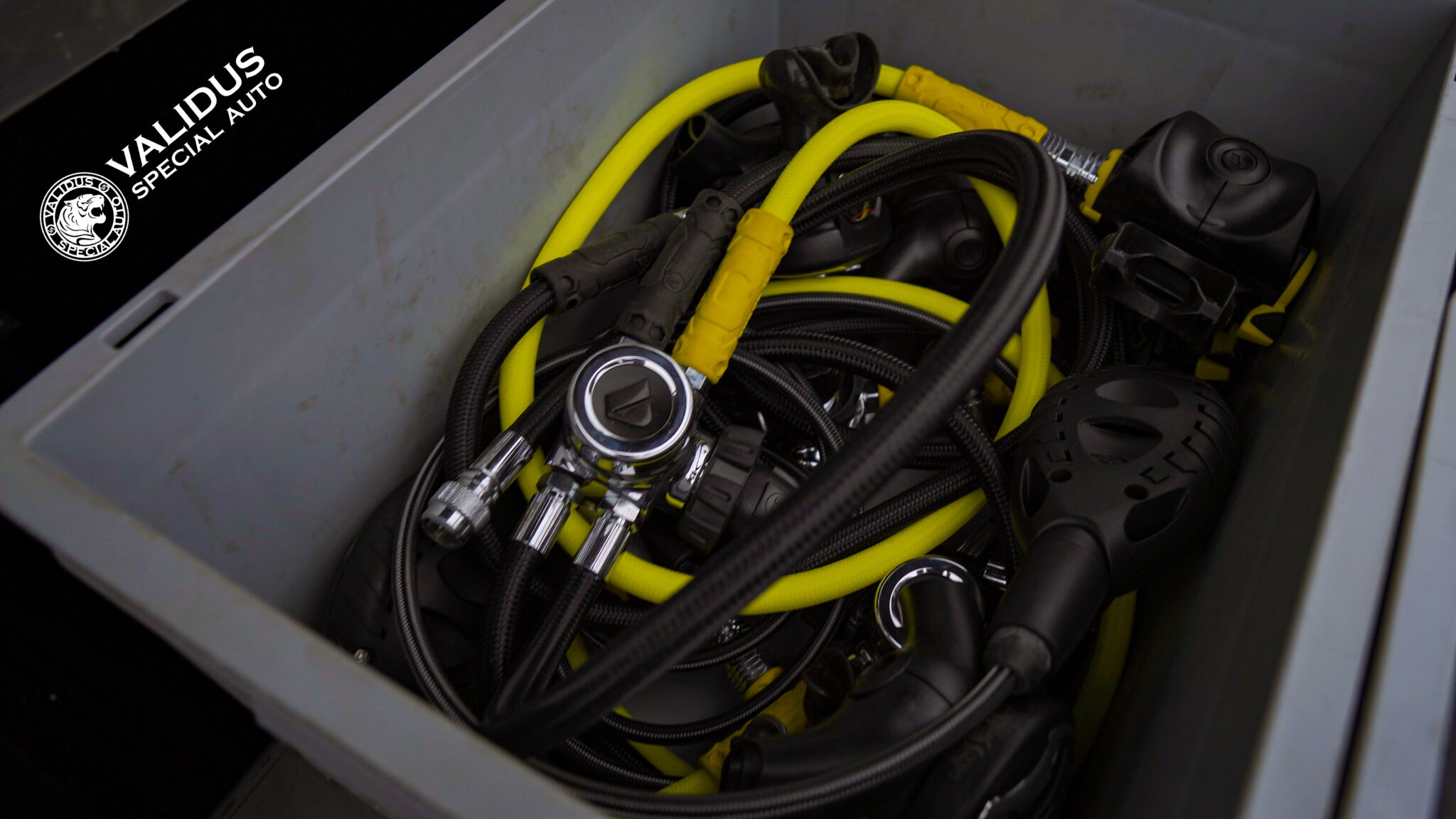
- Det of diving equipment (decompressor, diving cylinder, buoyancy compensator vest, 1 and 2 stage regulators, console (pressure gauge, depth gauge, compass), wet diving suit, dry diving suit, insulation under the diving suit, protective coveralls for the diving suit, full-face mask, diving knife, diving torch, neoprene boots, diving socks, neoprene gloves, belt with scales, diving bag, set No. 1 (mask, snorkel, fins));
- Rescuer’s wetsuit;
- Binoculars;
- Decompression buoy;
- Signal buoy marker;
- Set of rechargeable lights of safety class “0”;
- Laptop;
- First aid equipment;
- Portable winch;
- Marine radio station;
- Base radio station;
- Signal and loudspeaker system;
- Ventilation, heating and air conditioning system;
- Fencing of the diving rescue site;
* The standard equipment depends on the base vehicle and can be customized by the customer.


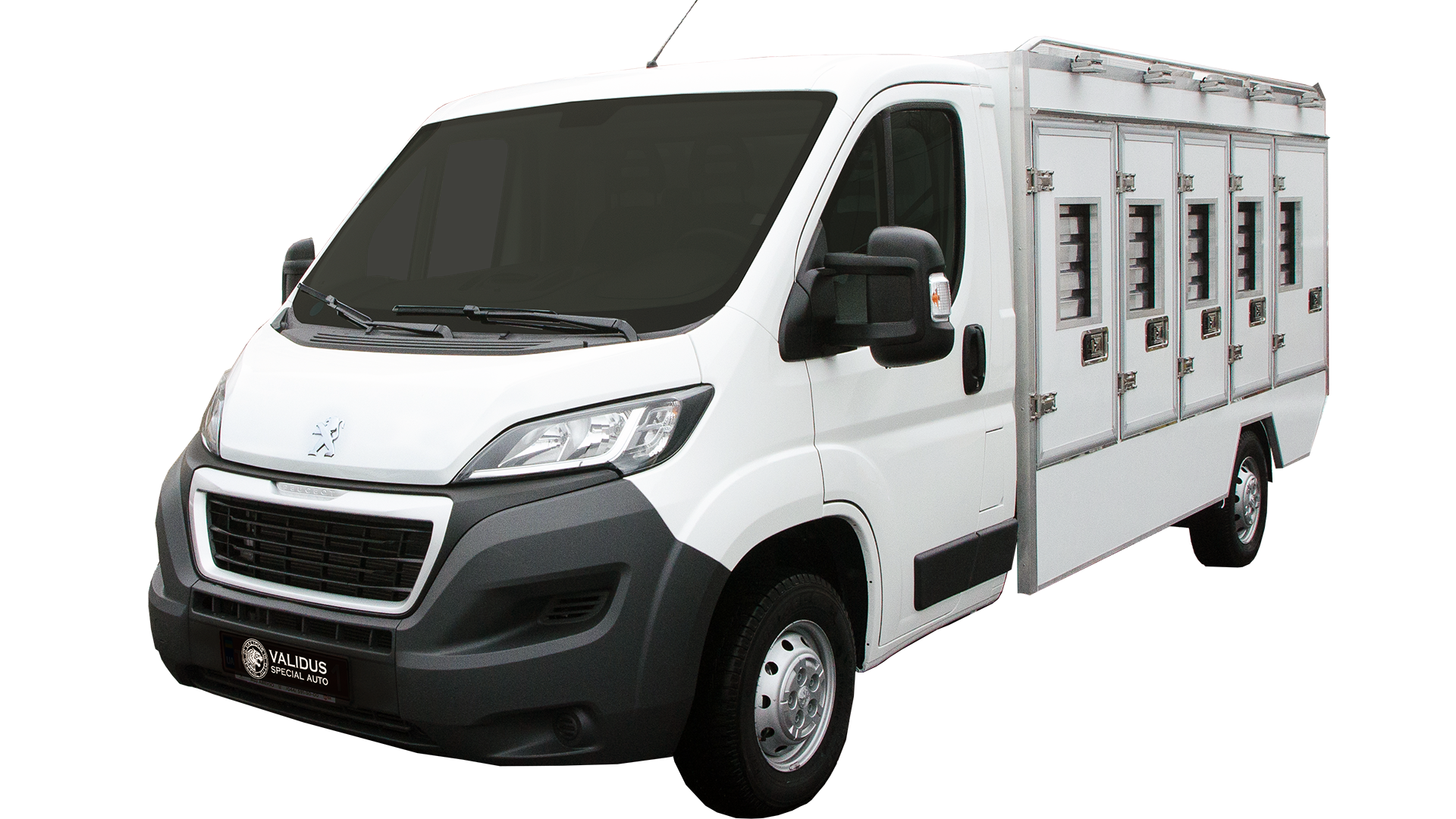

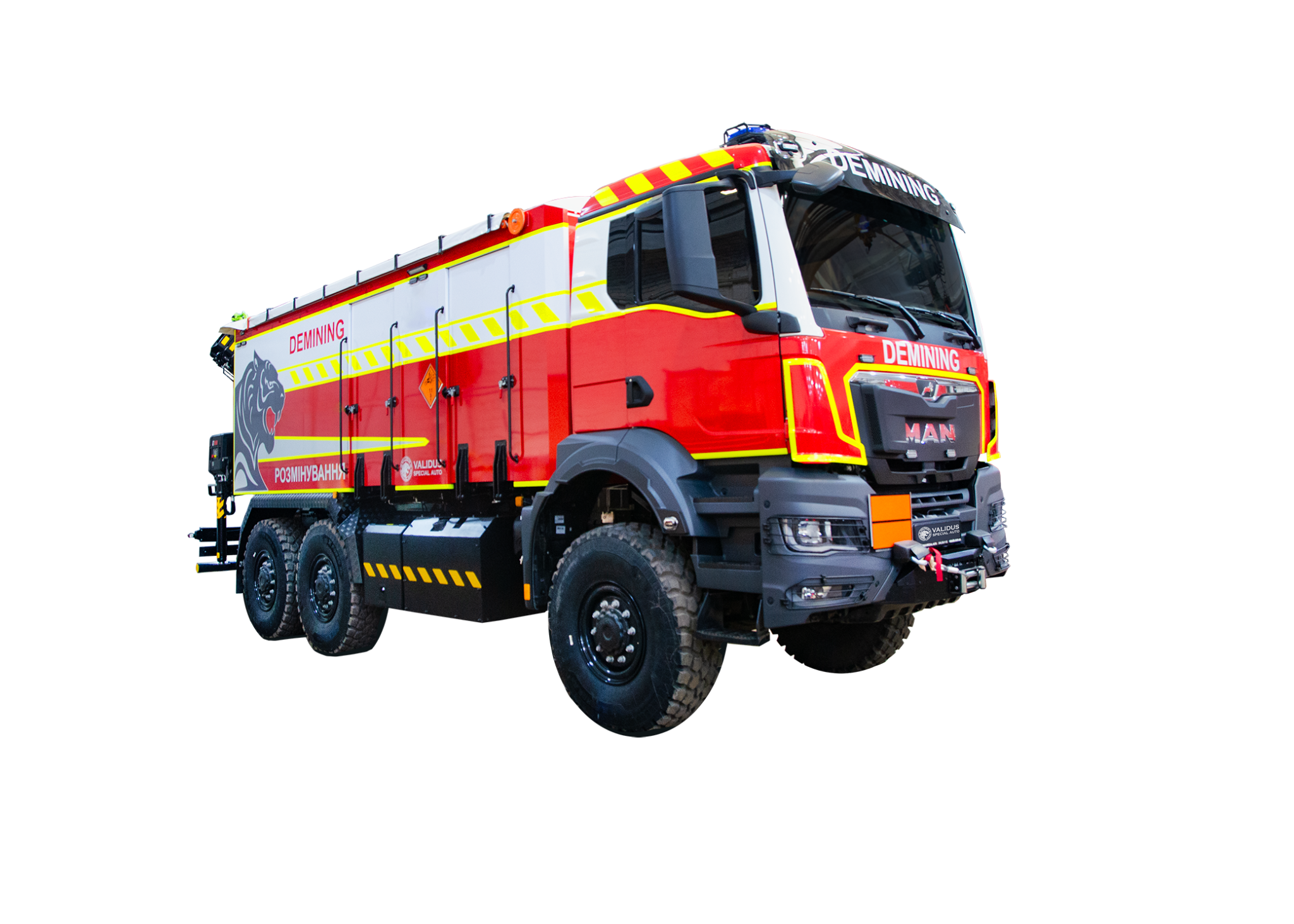
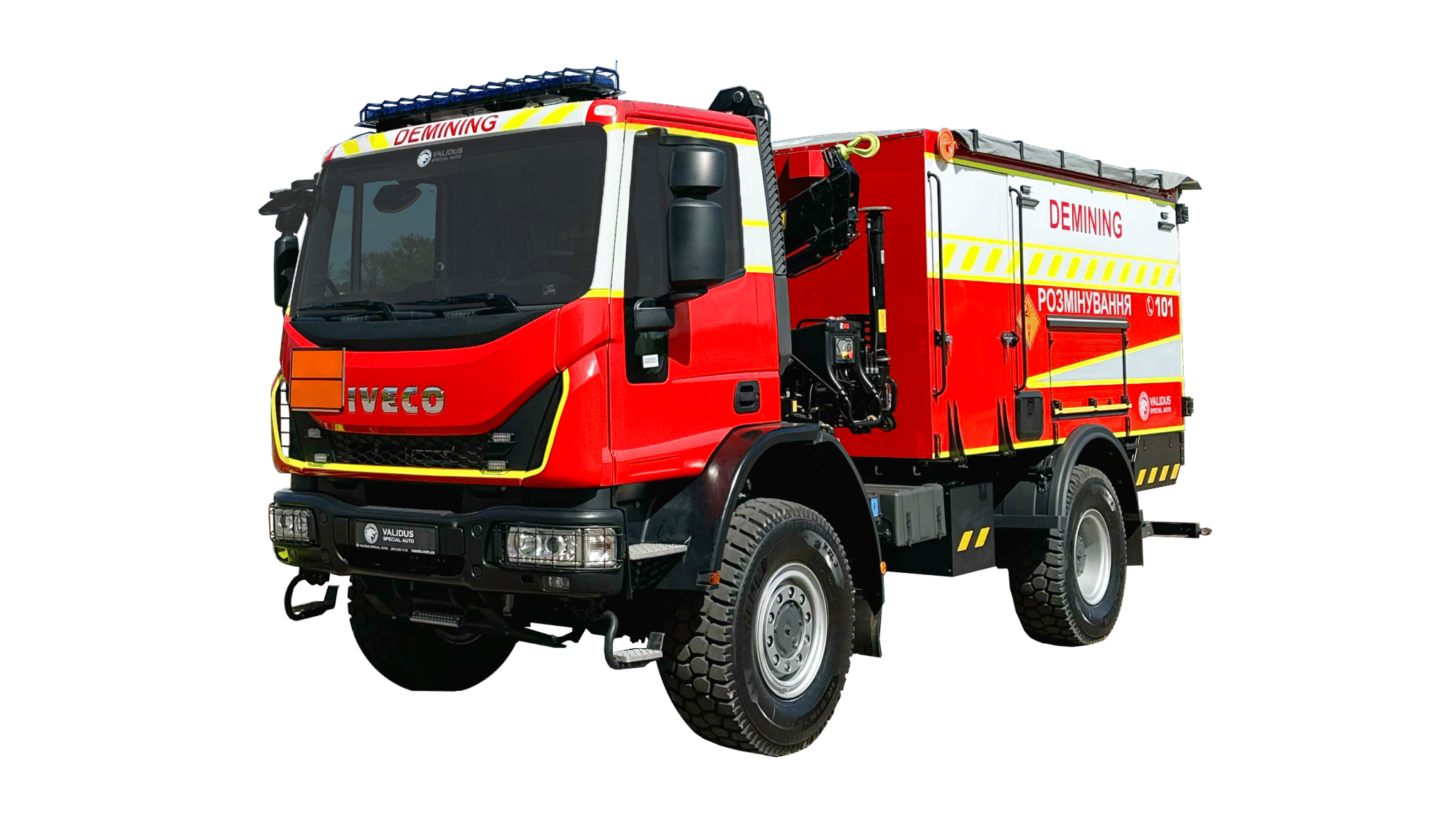
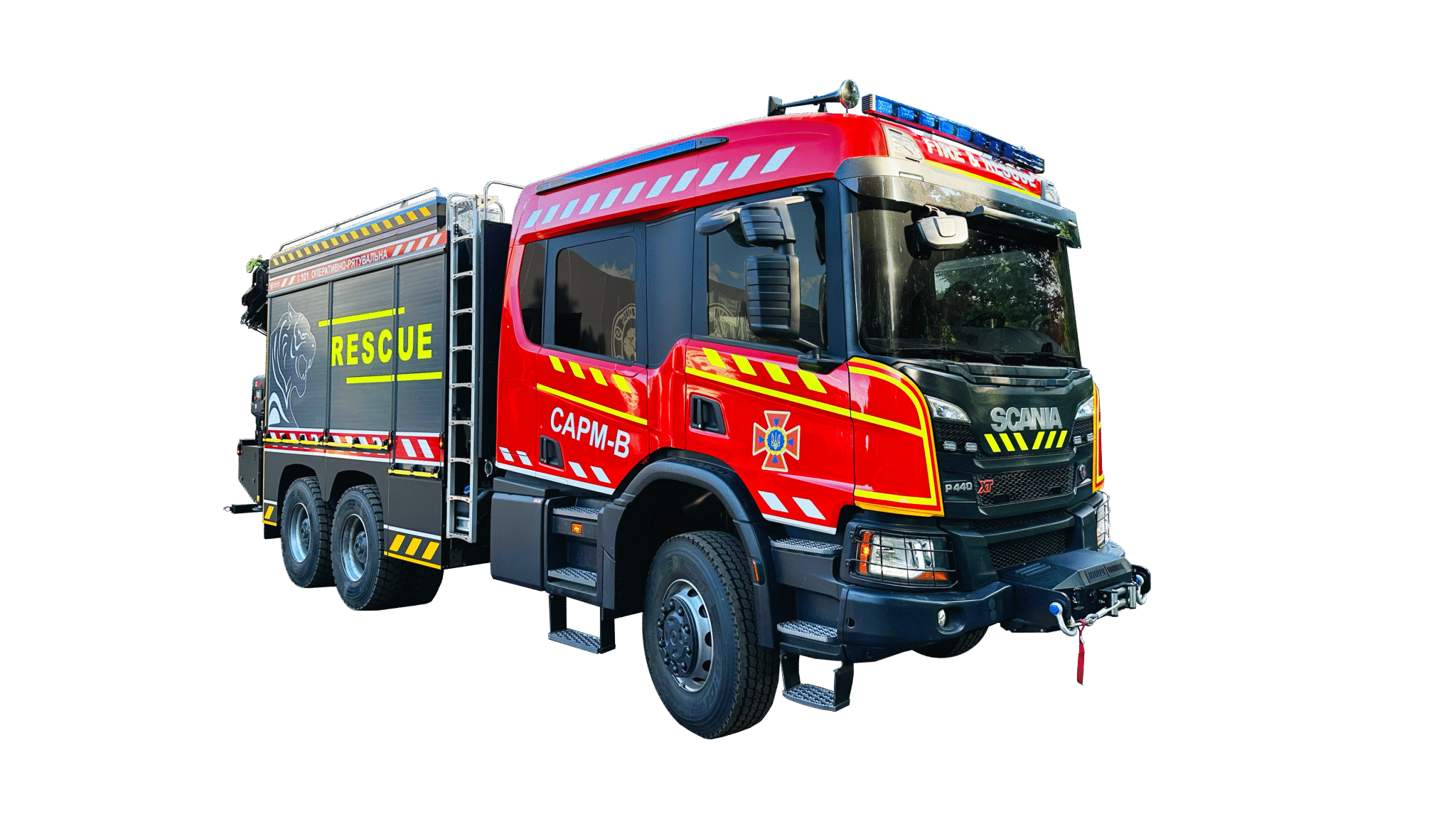
Photo
Characteristic
The special lightweight rescue diving station (SARVS -L) provides fast and mobile delivery of special equipment to the sites of rescue and search operations on water by all types of roads at maximum speed. SARVS-L is a special off-road vehicle based on the Mitsubishi L200, designed to quickly deliver divers, special equipment, gear and property to the site of diving operations, underwater reconnaissance and rescue of victims on the water, as well as routine inspections of the bottom, bridges, hydraulic structures on rivers, lakes, inland water bodies and in the coastal zone of the seas.
Functional capabilities of SARVS-L:
- Prompt and mobile delivery of diving crews, special equipment, property and gear to the sites of diving rescue operations via all categories of roads with maximum speed;
- Alerting the public to an emergency, transmitting special light and sound signals, voice commands and messages within a radius of up to 500 m;
- Organisation of radio communications in the USW (SW) band using a base radio station with a range of at least 20 km and portable radios with a range of at least 3 km;
- Providing first aid to victims using medical equipment;
- Conducting engineering surveys of water obstacles, hydraulic structures, and the bottom of rivers, lakes, inland water bodies, and in the coastal zone of the seas;
- Diving operations at depths of up to 30 m using clean air for breathing and up to 60 m using special mixtures;
- Conducting therapeutic recompression and decompression of divers;
- Providing telephone communication between the diver and the station;
- Ensuring that at least 2 divers work underwater at the same time;
- Search and transport of victims to the place of first aid;
- Fencing of dangerous areas and places for diving rescue operations;
Standard equipment of the car:
- Portable compressor for filling cylinders;
- An inflatable boat with an engine for 6 people;
- Small-sized hydraulic tool for underwater work;
- Underwater towing vehicle for a diver;
- Small-sized hydraulic rescue tool;
- Petrol tools (chainsaw, chainsaw) – 1 unit;
- Set for underwater lighting;
- Telescopic lighting equipment;
- Soft ship-lifting pontoons of various lifting capacities;
- Pontoon with anchors for divers’ descents;
- Underwater metal detector;
- GPS-navigator;
- Sounder;
- Underwater television complex;
- Diving telephone exchange;
- Digital camera for underwater photography;
- Det of diving equipment (decompressor, diving cylinder, buoyancy compensator vest, 1 and 2 stage regulators, console (pressure gauge, depth gauge, compass), wet diving suit, dry diving suit, insulation under the diving suit, protective coveralls for the diving suit, full-face mask, diving knife, diving torch, neoprene boots, diving socks, neoprene gloves, belt with scales, diving bag, set No. 1 (mask, snorkel, fins));
- Rescuer’s wetsuit;
- Signal end of various diameters;
- Binoculars;
- Decompression buoy;
- Signal buoy marker;
- Diving first aid kit;
- Set of rechargeable lights of safety class “0”;
- Laptop;
- First aid equipment;
- Car winch;
- Portable winch;
- Marine radio station;
- Base radio station;
- Portable radio station;
- Signal and loudspeaker system;
- Ventilation, heating and air conditioning system;
- Fencing of the diving rescue site;
- Additional equipment (depending on the tasks assigned to the unit).
* The standard equipment depends on the base vehicle and can be customized by the customer.
May interest
TO CONTACT US
Please leave your contact details and our specialist will contact you as soon as possible.