Fire Tank Truck based on MAN
Fire Tank Truck based on MAN
Is a heavy-duty specialized fire and rescue vehicle designed for firefighting, delivering extinguishing agents and specialized equipment, and conducting emergency rescue operations.
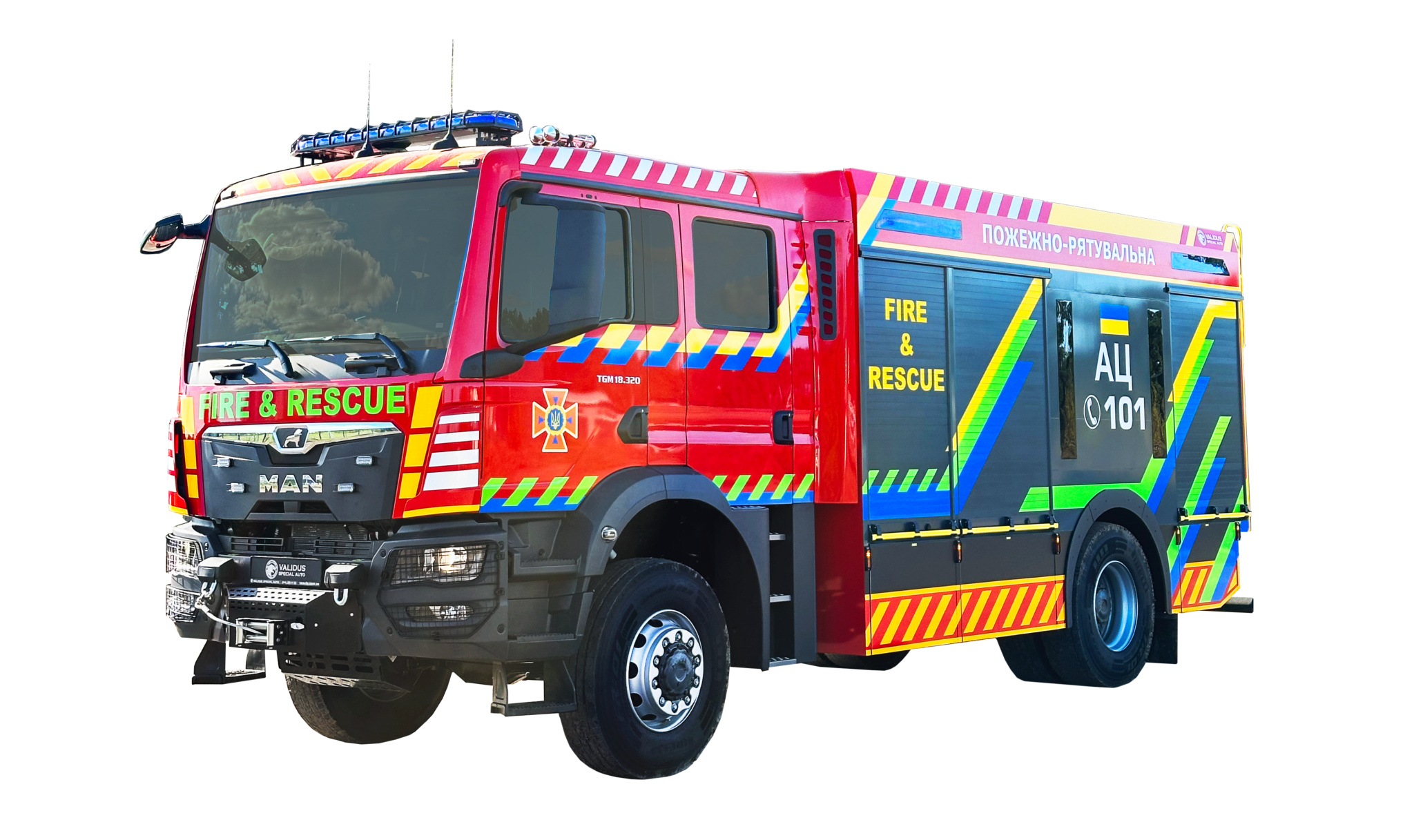



Base chassis
Tatra Terra, MAN TGM, Mercedes UNIMOG, Renault Trucks

Purpose
For rescue operations and fire suppression

Price
Calculated individually
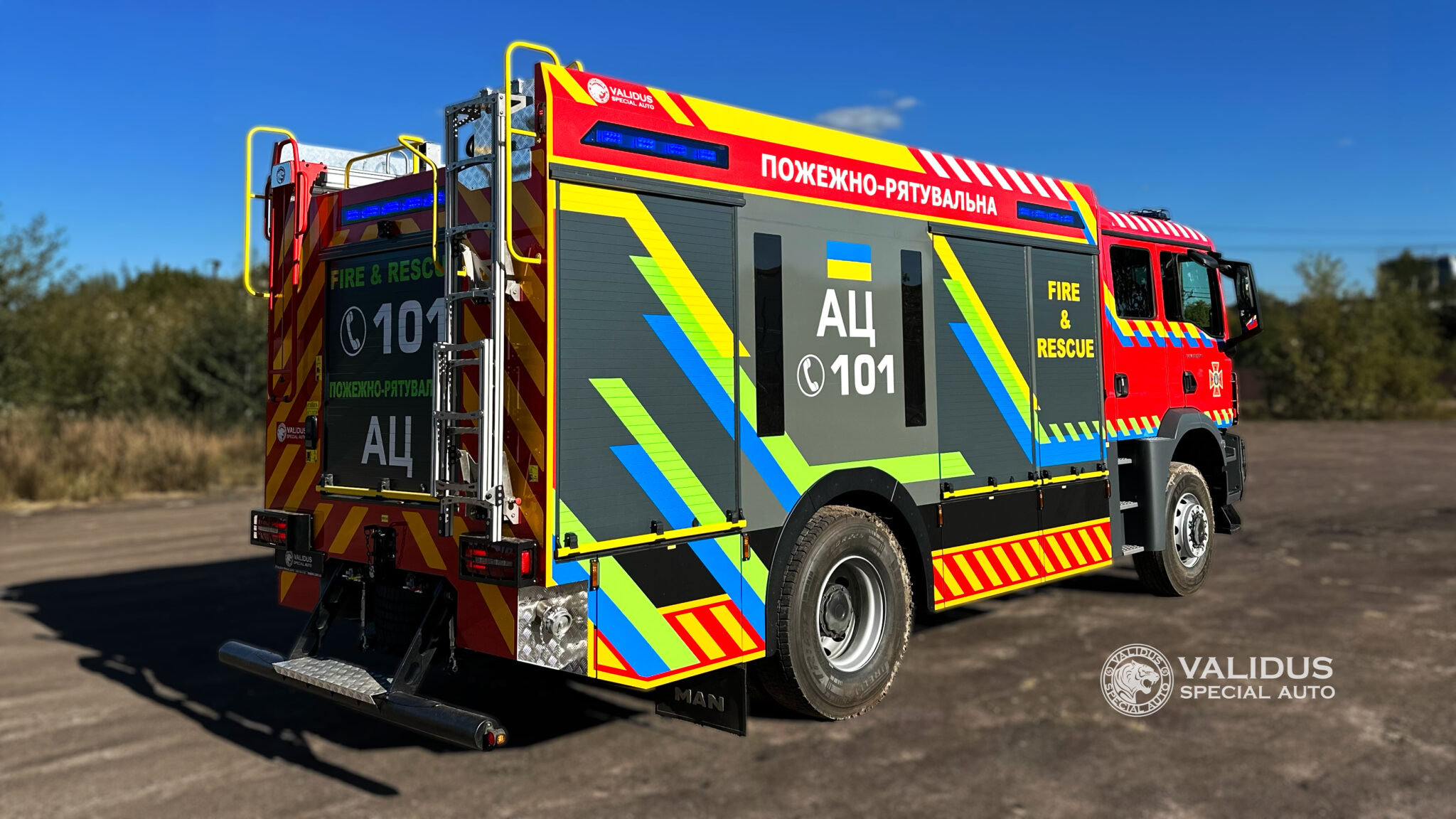
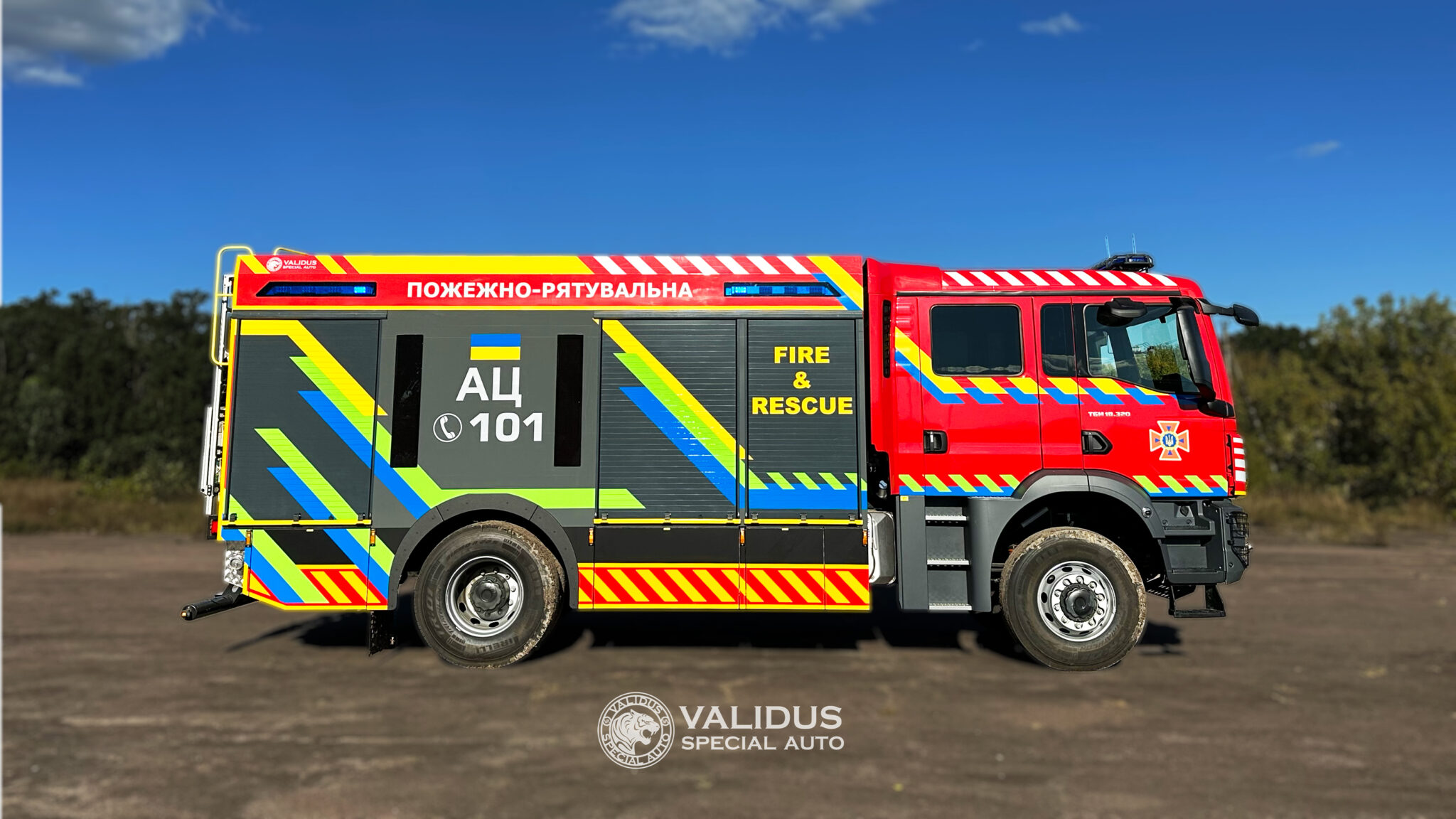
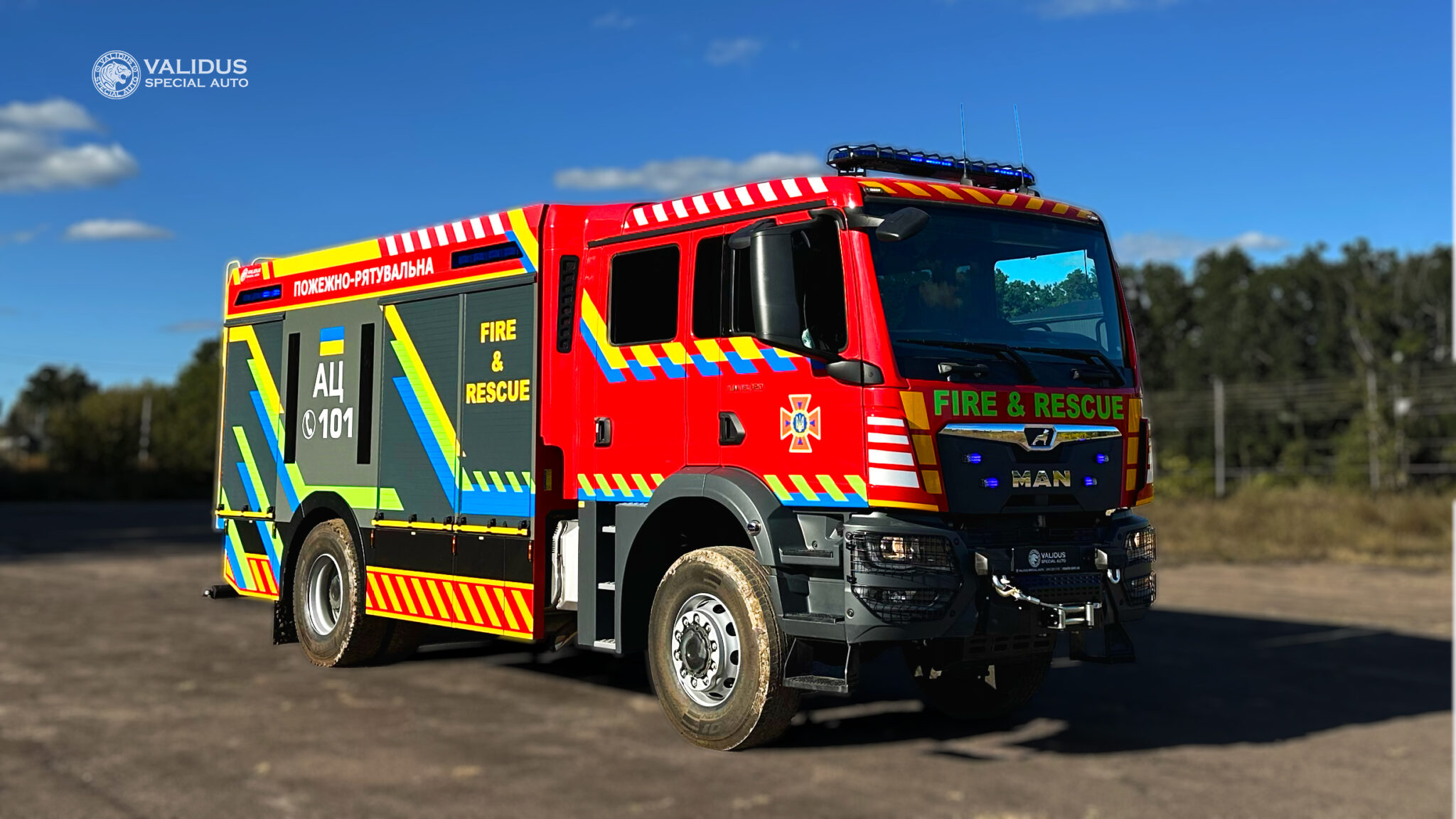
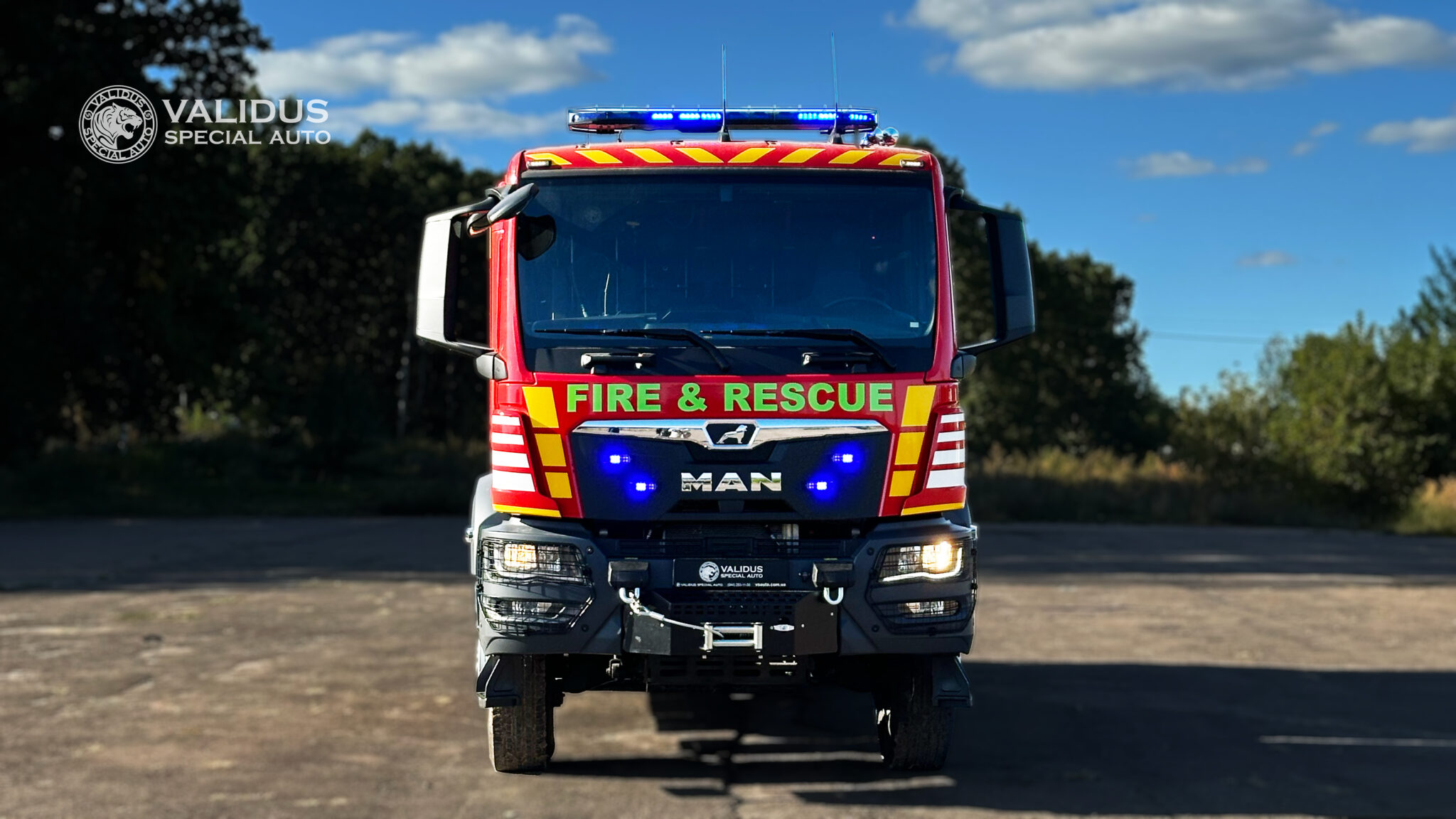
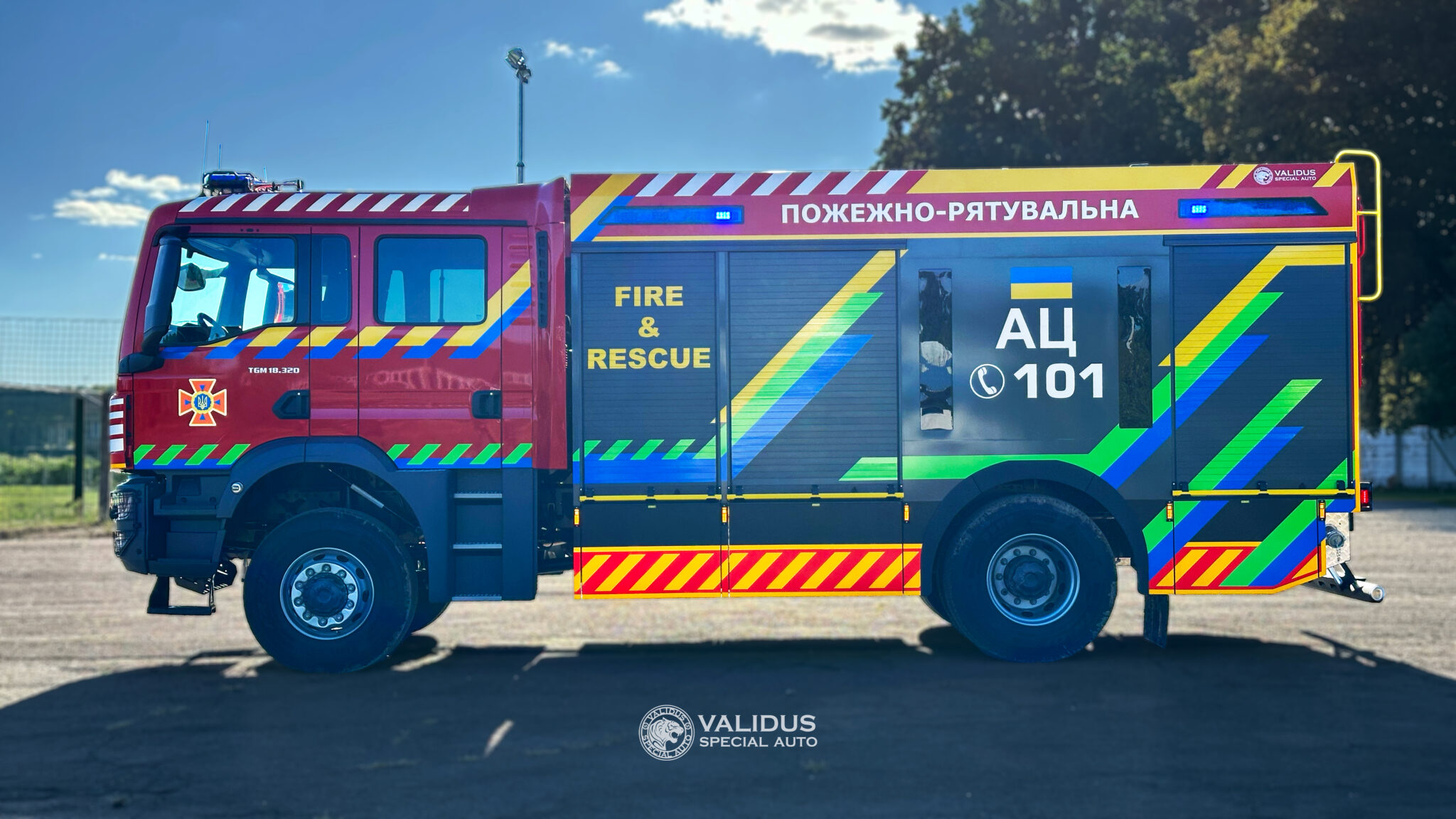
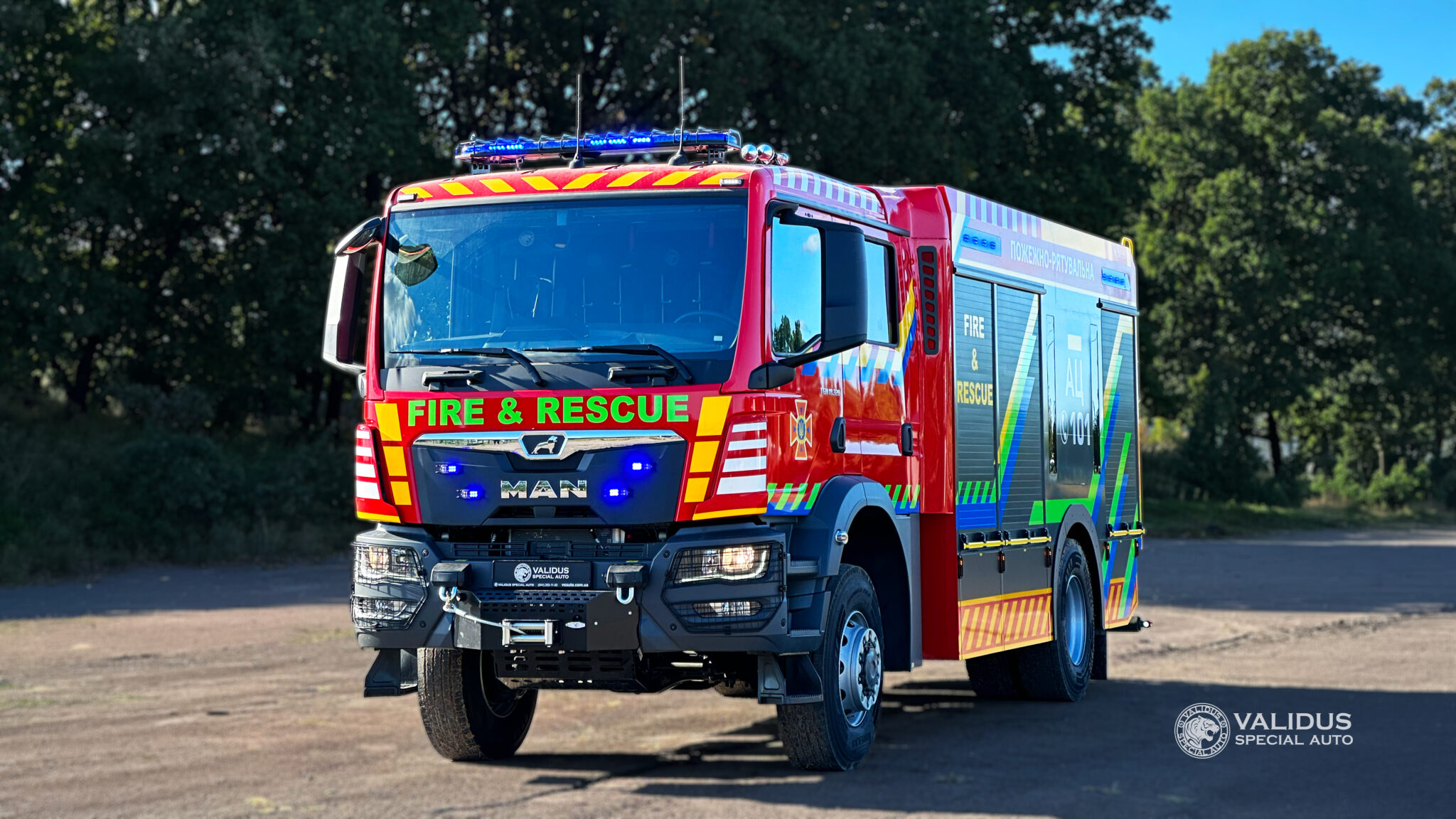
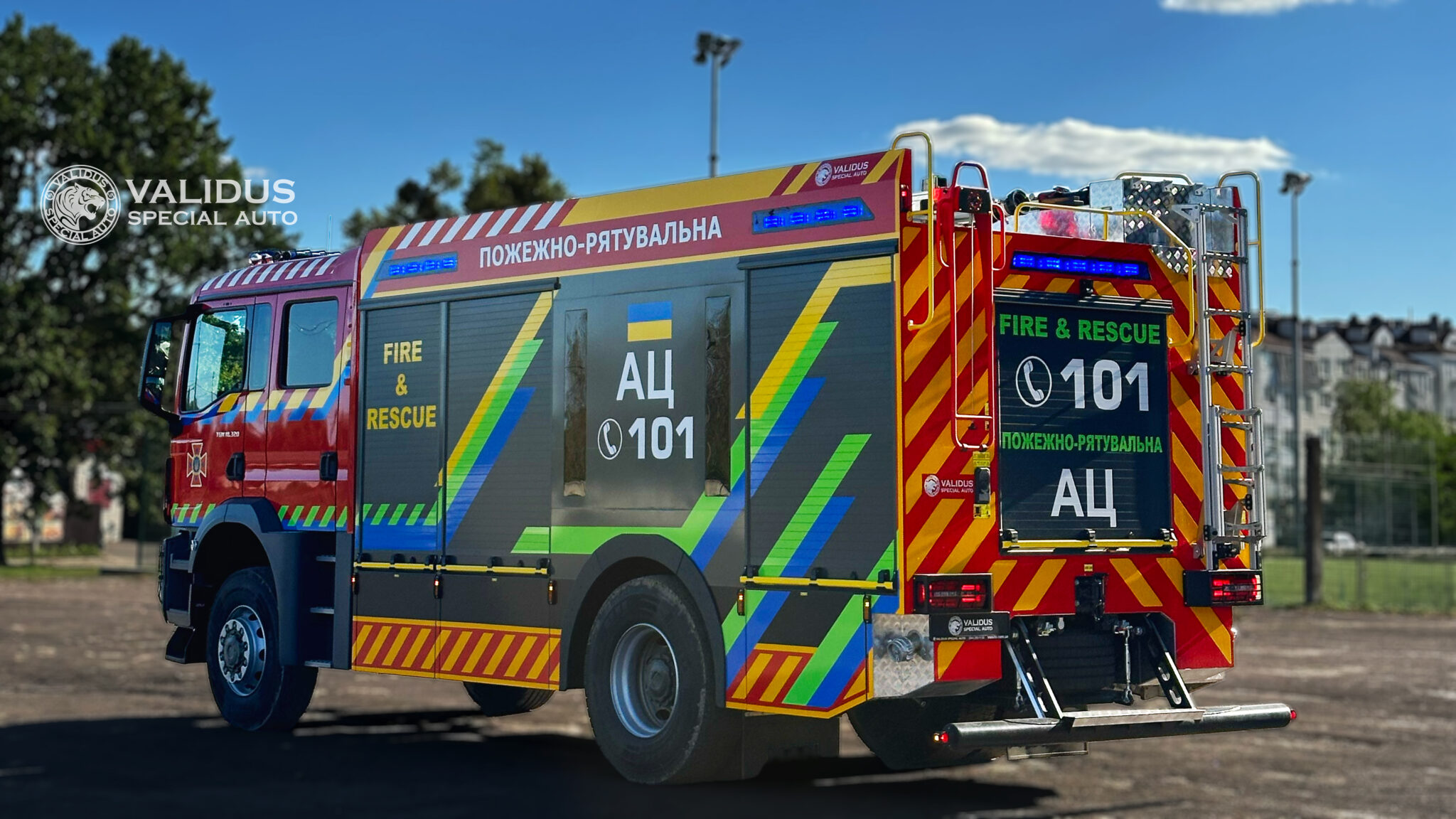
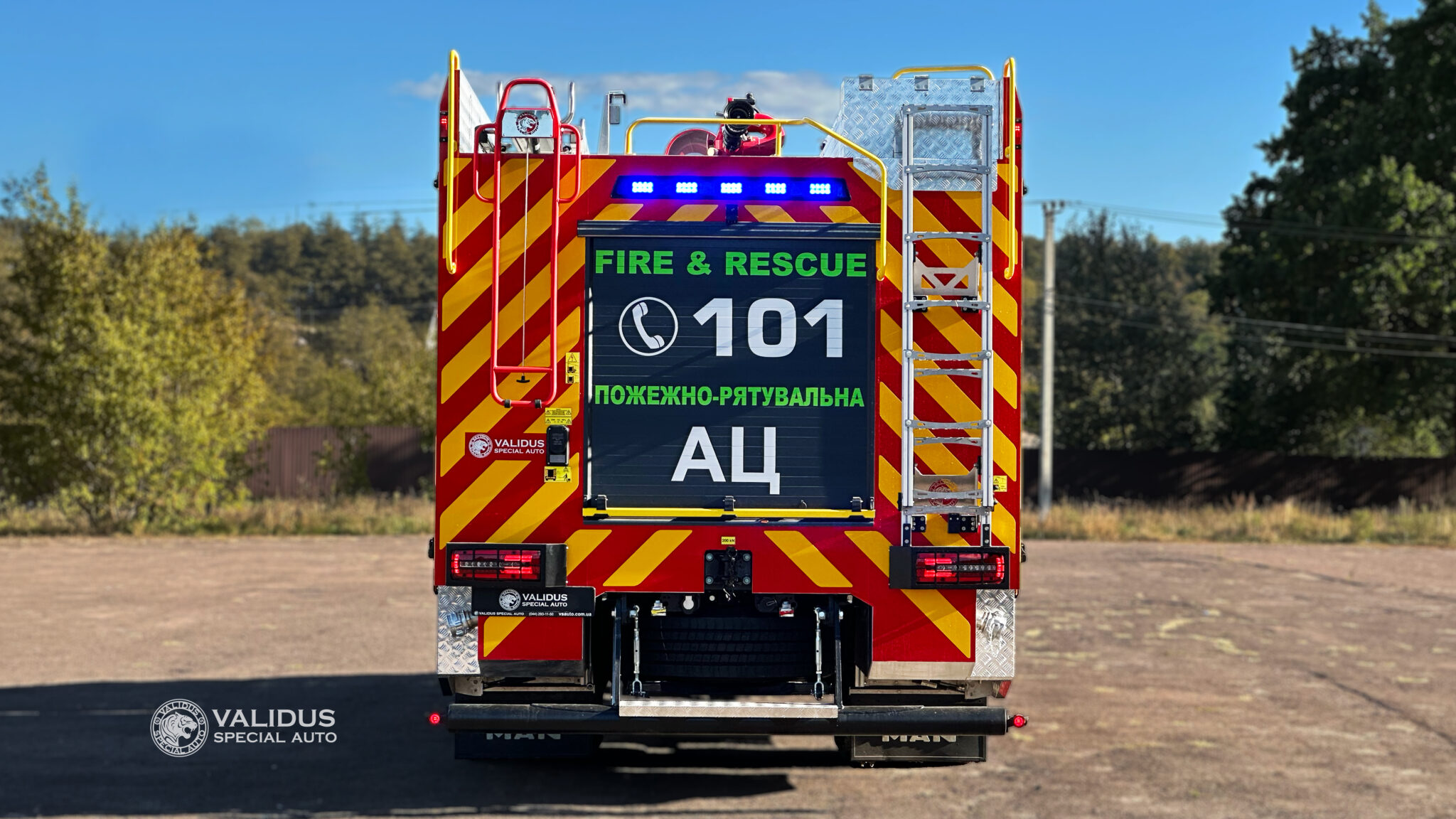
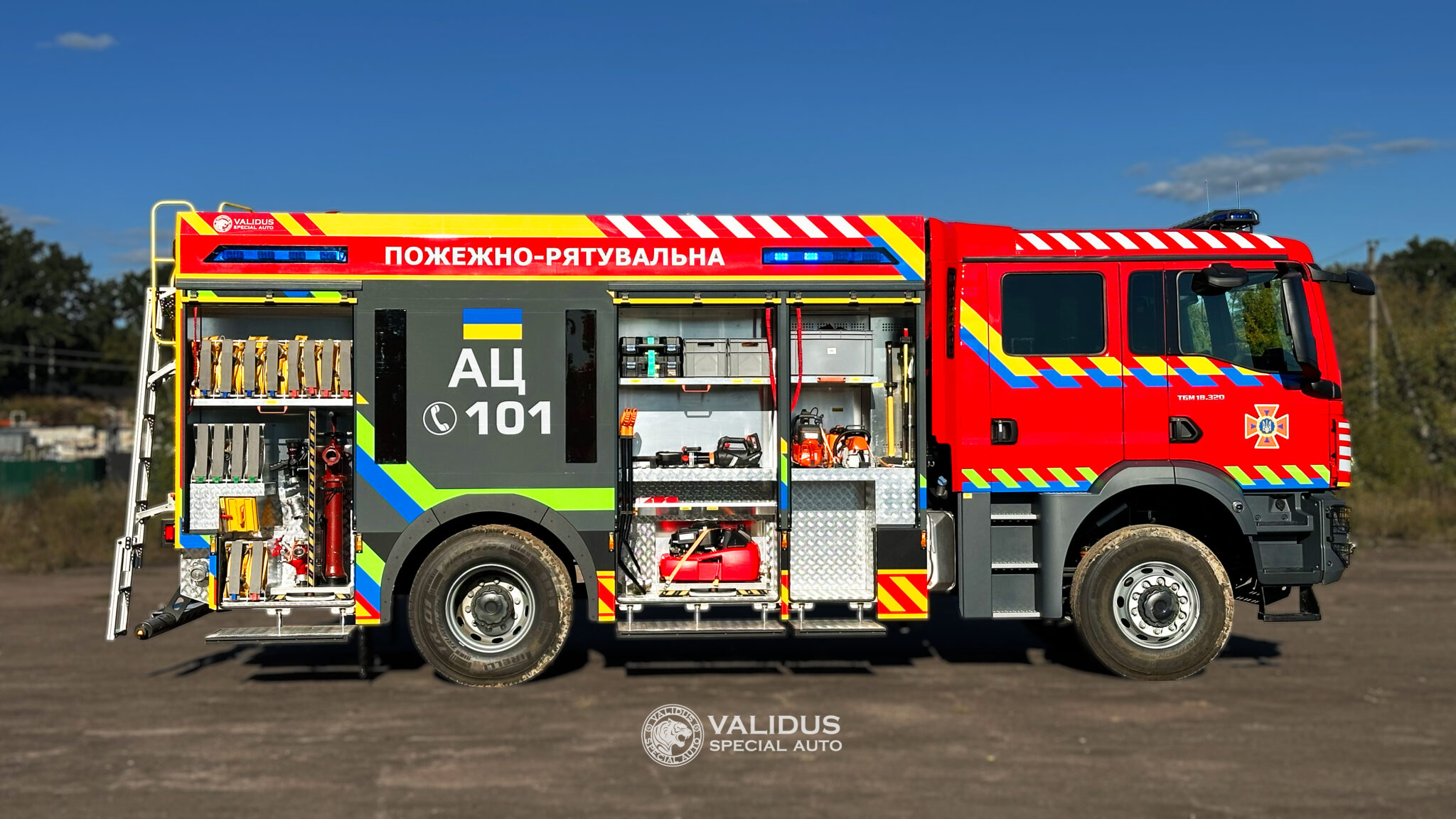
The MAN chassis fire tanker is a heavy-duty specialized fire and rescue vehicle designed for firefighting, delivering extinguishing agents and specialized equipment, and conducting emergency rescue operations in difficult terrain and hazardous environments. The vehicle is equipped with a water tank, a foam concentrate tank, a fire pump, and a complete set of fire-technical equipment.
Fire tankers can be manufactured on European-made vehicle chassis with a gross vehicle weight ranging from 8 to 33 tonnes.
Primary Functional Capabilities:
- Rapid transport of personnel, fire-technical equipment, and extinguishing agent reserves to the incident site.
- Executing emergency rescue tasks, including the rescue and extrication of trapped individuals.
- Administering first aid to victims at the scene of an emergency.
- Maintaining radio communications and warning the public about potential or active emergency threats.
- Marking and securing the boundaries of hazardous areas at rescue operational sites.
Standard equipment:
- Vehicle;
- Painting, color scheme;
- Air compressor with capacity not less than 200 l/min;
- 4000 l water tank;
- 400 l foam tank;
- High-performance pump;
- Independent heating system for superstructure and pump;
- Hose water collector;
- Powder fire extinguisher VP-5;
- Pressure adapter head OPN 70×50;
- Pressure adapter head OPN 80×70;
- Pressure adapter head OPN 80×50;
- Telescopic fire ladder type VPL (folded length 4380 ± 30 mm, working length 10700 ± 30 mm);
- Gas cutter;
- Chainsaw;
- Fire hydrant column KP type;
- Set of dielectric tools for hazardous area work and power disconnection;
- Group flashlight with holder and charger;
- 30 m fire rescue rope in case;
- 50 m fire rescue rope in case;
- Rubber hose bridge;
- Multifunctional rescue tool for forced entry;
- Fire axe-hammer;
- Suction fire hose “B” with two couplings;
- Pressure-suction hose “NV” with two GRN-80 couplings;
- Latex fire hose D51 with GR-50 couplings or reinforced hose with double-sided polymer coating 51T | 2gr-50;
- Reinforced fire hose with double-sided polymer coating 77T | 2gr-80;
- Three-way hose splitter RT type;
- Suction strainer with nylon rope;
- Multi-mode handheld fire nozzle;
- Medium-expansion foam nozzle GPS-600;
- Vehicle radio station with mounts and external antenna;
- Vehicle medical kit AMA-1 or equivalent;
- Wheel chocks;
- Emergency stop sign;
- Tow rope (5–6 m);
- Combined hydraulic tool with built-in hand pump;
- Medical stretcher.
*Standard equipment depends on the base vehicle and can be configured by the customer.



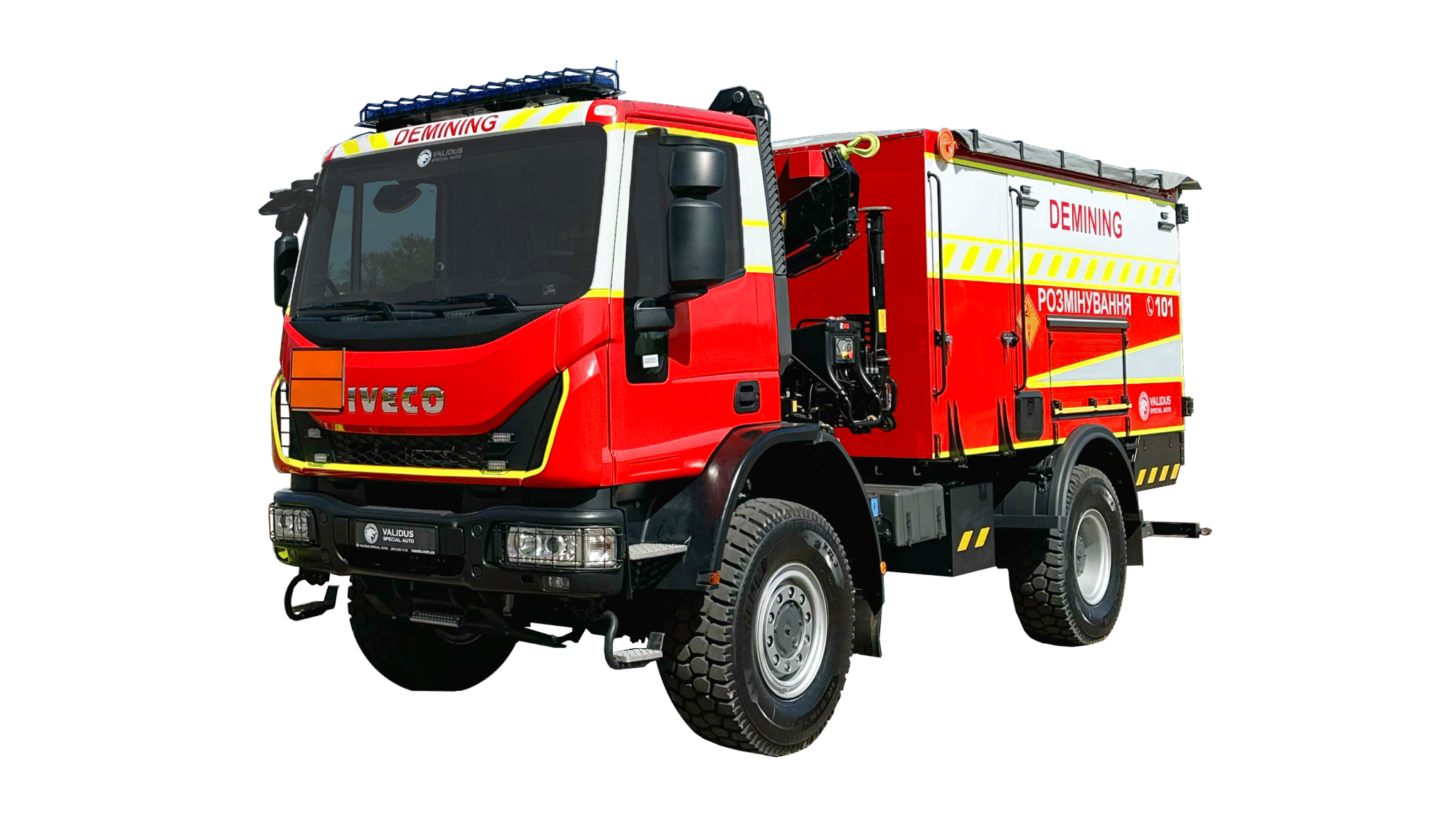
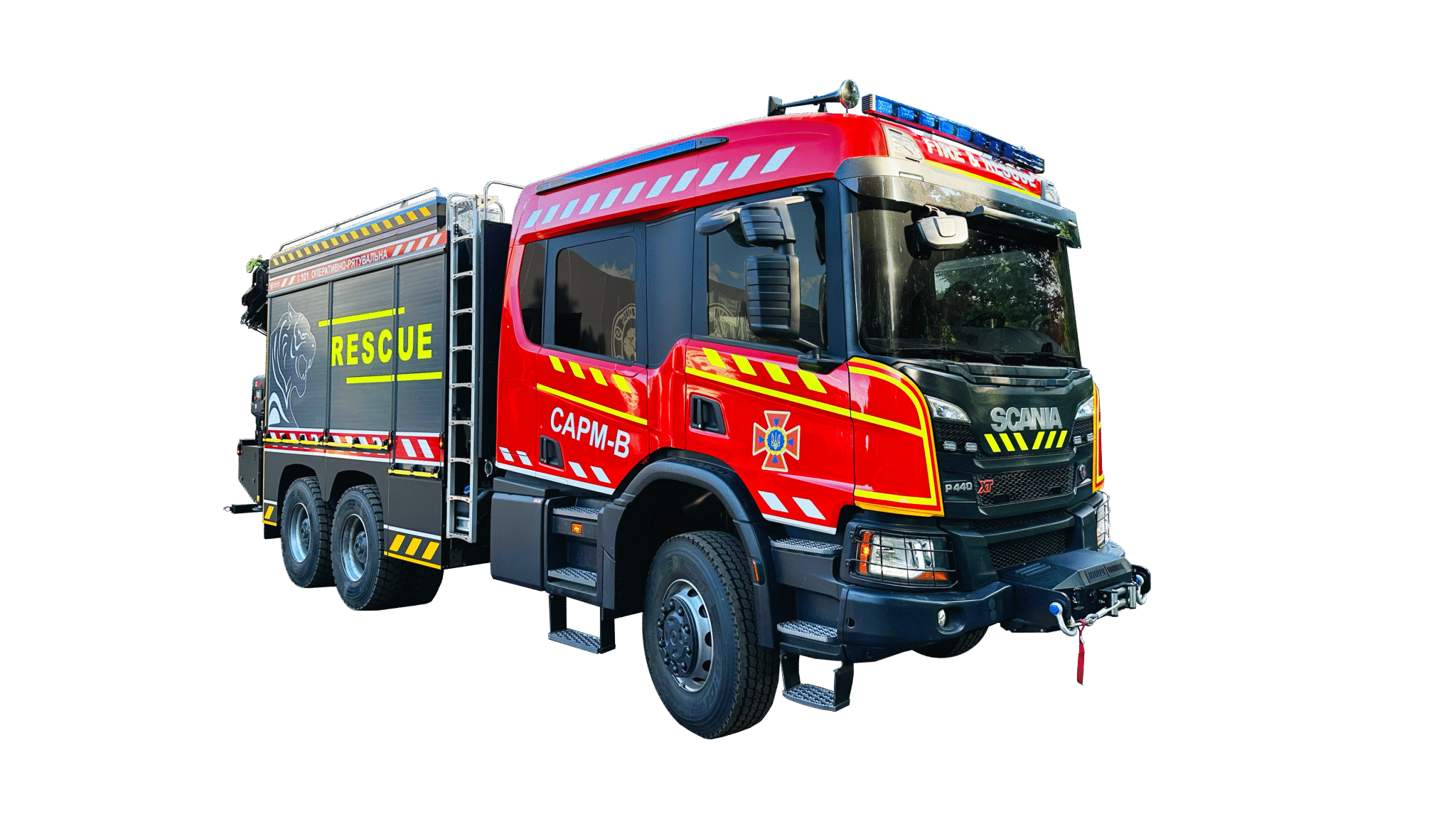
Photo
Characteristic
The MAN chassis fire tanker is a heavy-duty specialized fire and rescue vehicle designed for firefighting, delivering extinguishing agents and specialized equipment, and conducting emergency rescue operations in difficult terrain and hazardous environments. The vehicle is equipped with a water tank, a foam concentrate tank, a fire pump, and a complete set of fire-technical equipment.
Fire tankers can be manufactured on European-made vehicle chassis with a gross vehicle weight ranging from 8 to 33 tonnes.
Primary Functional Capabilities:
- Rapid transport of personnel, fire-technical equipment, and extinguishing agent reserves to the incident site.
- Executing emergency rescue tasks, including the rescue and extrication of trapped individuals.
- Administering first aid to victims at the scene of an emergency.
- Maintaining radio communications and warning the public about potential or active emergency threats.
- Marking and securing the boundaries of hazardous areas at rescue operational sites.
Standard equipment:
- Vehicle;
- Painting, color scheme;
- Air compressor with capacity not less than 200 l/min;
- 4000 l water tank;
- 400 l foam tank;
- High-performance pump;
- Independent heating system for superstructure and pump;
- Hose water collector;
- Powder fire extinguisher VP-5;
- Pressure adapter head OPN 70×50;
- Pressure adapter head OPN 80×70;
- Pressure adapter head OPN 80×50;
- Telescopic fire ladder type VPL (folded length 4380 ± 30 mm, working length 10700 ± 30 mm);
- Gas cutter;
- Chainsaw;
- Fire hydrant column KP type;
- Set of dielectric tools for hazardous area work and power disconnection;
- Group flashlight with holder and charger;
- 30 m fire rescue rope in case;
- 50 m fire rescue rope in case;
- Rubber hose bridge;
- Multifunctional rescue tool for forced entry;
- Fire axe-hammer;
- Suction fire hose “B” with two couplings;
- Pressure-suction hose “NV” with two GRN-80 couplings;
- Latex fire hose D51 with GR-50 couplings or reinforced hose with double-sided polymer coating 51T | 2gr-50;
- Reinforced fire hose with double-sided polymer coating 77T | 2gr-80;
- Three-way hose splitter RT type;
- Suction strainer with nylon rope;
- Multi-mode handheld fire nozzle;
- Medium-expansion foam nozzle GPS-600;
- Vehicle radio station with mounts and external antenna;
- Vehicle medical kit AMA-1 or equivalent;
- Wheel chocks;
- Emergency stop sign;
- Tow rope (5–6 m);
- Combined hydraulic tool with built-in hand pump;
- Medical stretcher.
*Standard equipment depends on the base vehicle and can be configured by the customer.